Checked against government travel advice, Paraguayan news and the venues' own information in November 2026.
- Getting around
- There's no metro or train: the commuter rail line is still a project. About 70 new electric buses with access ramps run on lines E1, E2 and E3 (to San Lorenzo and Luque) and lines 165 and 27; fares (G 2,300 or G 3,400) are paid only with a Más or Jaha card. Most families use Bolt, Uber or Muv, or call a licensed taxi rather than hailing one in the street.
- Car seats
- Paraguay's traffic law requires a car seat for children under 5 and says children under 10 ride in the back. Taxis often don't have working seat belts and ride apps don't promise a car seat, so bring your own.
- From the airport
- Silvio Pettirossi International Airport (ASU) is in Luque, next to Asunción. Bolt picks up at the airport; the app shows the pickup point. Have your own car seat ready for the ride into town.
- Pavements and rain
- Expect broken pavements and missing kerb ramps. In heavy rain, streets turn into fast-flowing raudales: the city lists 11 especially dangerous junctions, and local advice is not to cross flooded streets, even on foot. Wait out storms indoors. November is the wettest month, and Canada's travel advice mentions seasonal flooding in November and December.
- Health and safety
- Dengue and chikungunya are a risk, so pack a repellent suitable for your child's age. Proof of yellow fever vaccination is required if you arrive from Brazil, Bolivia, Peru or Venezuela; see a travel clinic before you go. Canada advises a high degree of caution because of crime, which is higher in Chacarita, and the UK warns of pickpocketing on buses.
- With little ones
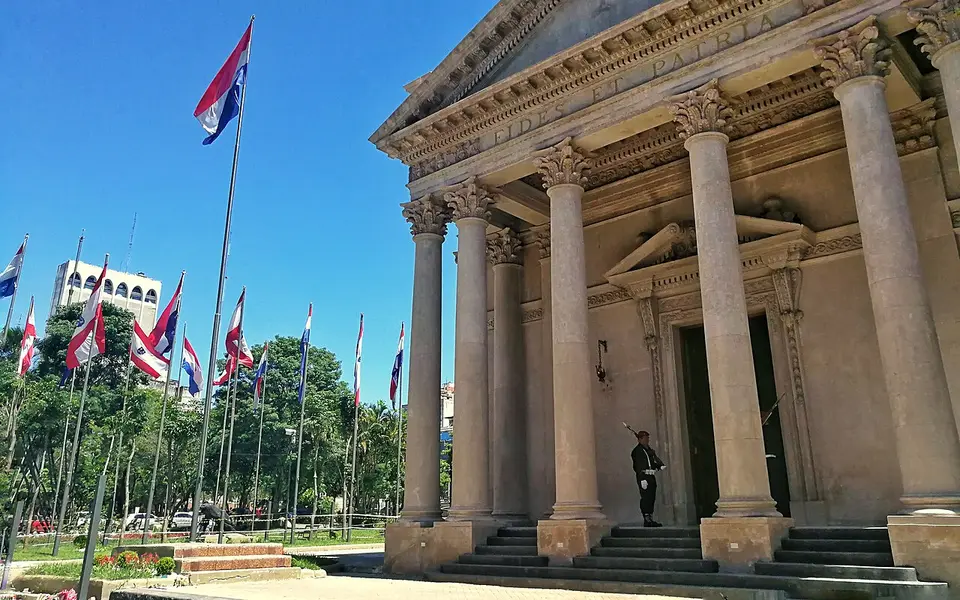
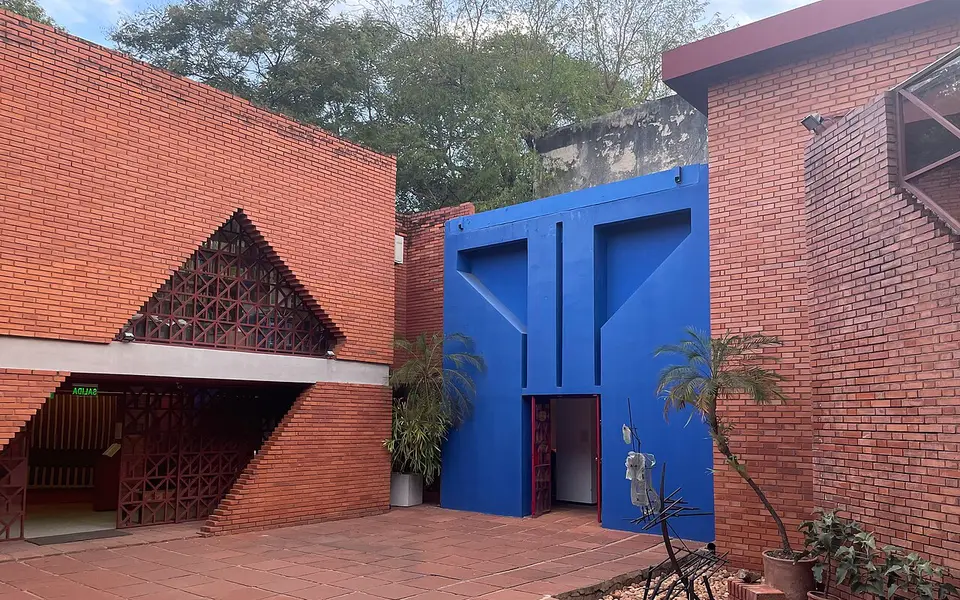
- Paseo La Galería mall has changing tables and family toilets on all three floors and lends strollers at its Level 1 customer service desk. Parque de la Salud, the Panteón and Casa de la Independencia are free, and Museo del Barro is free on Fridays and Saturdays. Swim in a hotel pool: the Bay of Asunción and Lake Ypacaraí aren't fit for bathing.


 Asunción