Checked against UK government travel advice, the US Treasury, Euronews, AFP, Lonely Planet and the Cuban press (Directorio Cubano, CiberCuba) in November 2026. Anything tagged “checking” we haven't confirmed first-hand yet.
- Before you go
- The UK advises against all but essential travel to Cuba (advice still current on 16 November 2026). Cuba's international airports have run short of aviation fuel and several airlines, including all Canadian airlines, Air France and Iberia, suspended flights. Check your flight and your hotel before you book anything else.
- Power, water and supplies
- The national grid has collapsed several times in 2026 and power cuts are long. The UK reports severe shortages of basic medicines and says safe drinking water can be a problem: bring nappies, formula, baby medicines and a power bank, and use bottled water for formula.
- Money and entry
- Visa and Mastercard are no longer accepted and international cards don't work in ATMs; US dollars and euros in cash are widely accepted, so bring enough for the whole stay. You need a tourist card (or eVisa) and the online D'Viajeros form within 72 hours before arrival. US citizens can't travel to Cuba as tourists.
- From the airport
- International flights use Terminal 3 at José Martí airport (HAV). Transtur's shuttle bus costs $5 each way, with stops in Playa, Vedado and Old Havana. The UK calls official yellow taxis generally reliable. We couldn't confirm that taxis carry child seats, so bring your own.
- Pavements and timing
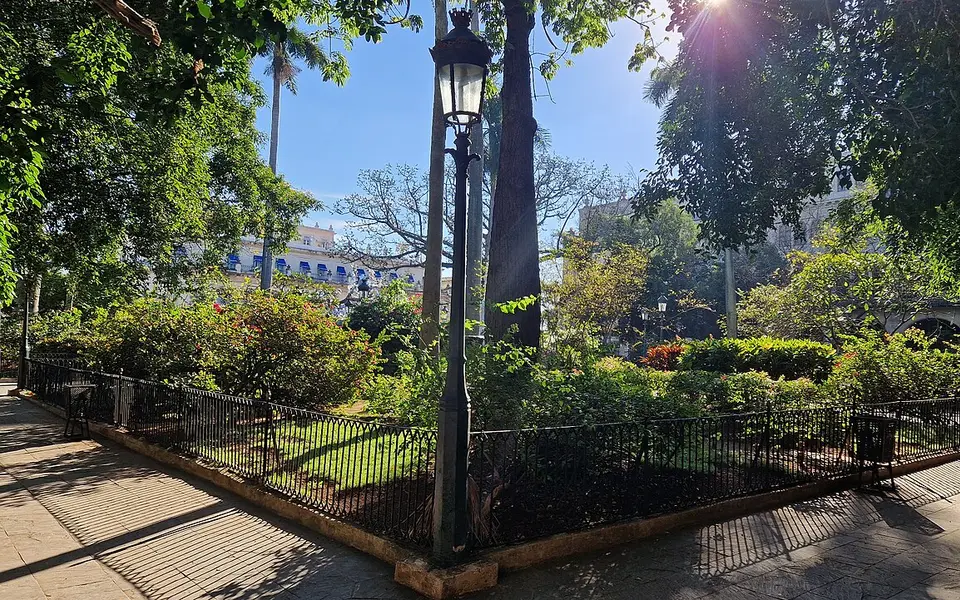
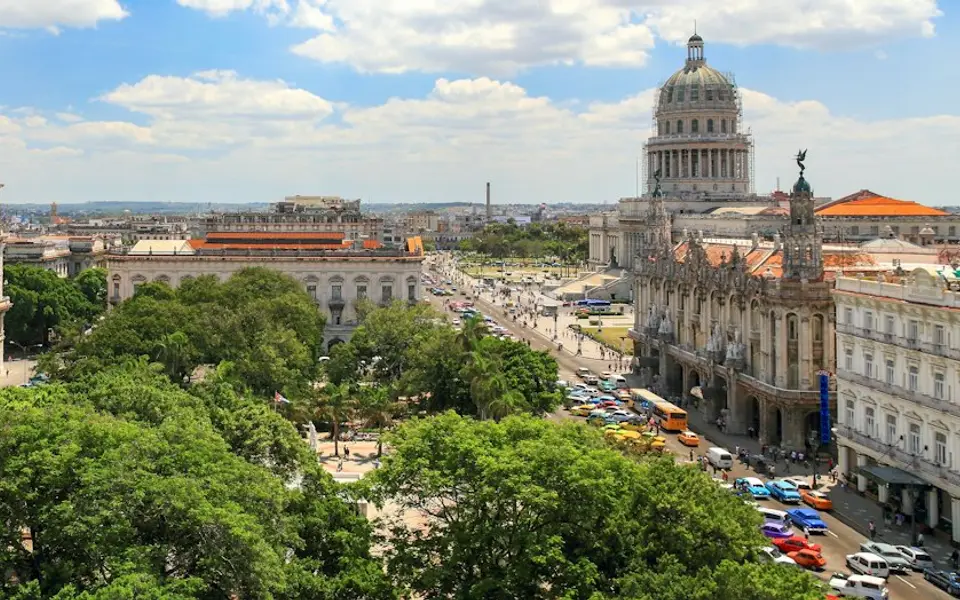
- Old Havana's squares are cobbled and some streets are brick, so a rugged stroller or a carrier works best. Go out in the morning and be back before dark. Hurricane season runs from June to November, and dengue, Oropouche and chikungunya are circulating: pack insect repellent suitable for your child's age.