Checked against news reports, official museum and marine park fees, and health advice in November 2026.
- Getting around
- There's no metro or tram. The BRT buses run on their own lanes (Phase 2, from Mbagala to the centre, opened in 2025) and a ride costs TZS 1,000. Uber stopped operating in Tanzania on 30 January 2026; Bolt is the main app, and inDrive and Farasi also run. Bring your own car seat. US travel advice recommends avoiding dala-dala minibuses and motorbike taxis.
- From the airport
- Julius Nyerere International Airport (DAR) is about 12 km from the city; international flights use Terminal 3. Taxis wait outside the terminal, and Bolt shows its pickup point in the app.
- Health and entry
- Malaria is a high risk everywhere in Tanzania below 1,800 m, so see a travel clinic about protecting your baby before you go. A yellow fever certificate is needed for travellers over 1 year old who arrive from, or transit for more than 12 hours through, a country with yellow fever risk.
- Pavements and traffic
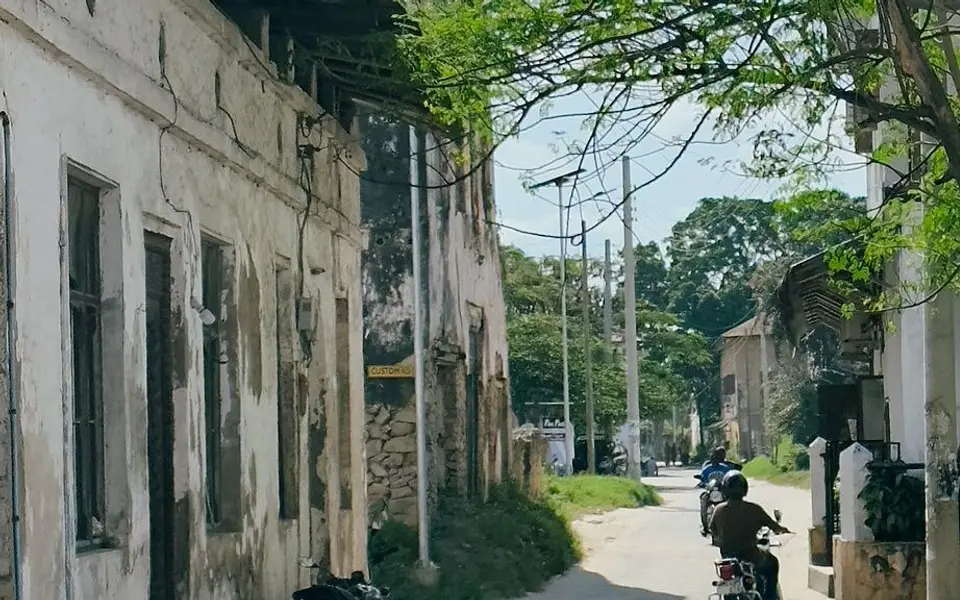
- Pavements are broken, blocked or missing in most of the city, and US travel advice describes the roads as poorly maintained and often potholed or unpaved. Push only in malls, hotel grounds and the Slipway, and use the carrier elsewhere.
- Rain and heat
- It's around 30 °C all year. The long rains come around April and May and the short rains around November; heavy rain flooded streets in March 2026, and forecasters expected above-normal rain from September 2026 to January 2027. July to October is the driest time to go.
- With little ones
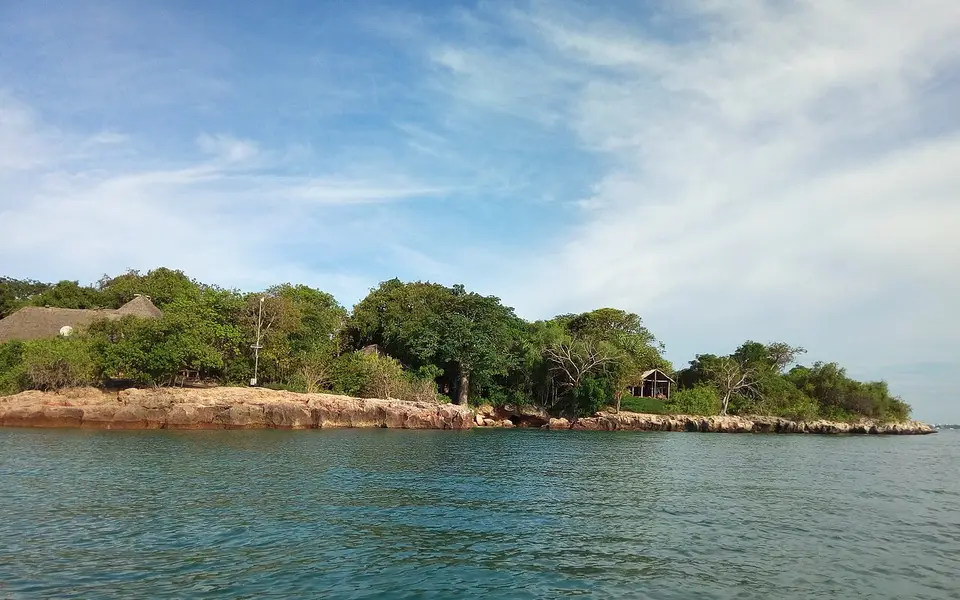
- Under-5s go free on the marine reserve fee for Bongoyo Island. The museums publish only adult prices for visitors from abroad, and we couldn't confirm a baby-changing room in any mall, so pack a changing mat.